Water softening is the process of removing calcium, magnesium, and other minerals that make water “hard.” These minerals cause limescale build-up in pipes and appliances, reduce soap effectiveness, and can dry out skin and hair.
Water conditioning uses magnetic descalers, zinc anodes, or salt-free template-assisted crystallisation (TAC) units to prevent limescale buildup by altering mineral structure and hardness without removing them.
Do I need to soften/condition my home’s water?
If you live in Reading, Caversham, Henley or their surrounds, according to Thames Water, the answer is yes, you should consider softening/conditioning your home’s water, with mineral and calcium carbonate (causes limescale) levels some of the highest in the UK.
With parts per million (PPM) ranging from 306 to 327, these are just below top ranked Kent and Cambridgeshire at 343 ppm and 341ppm respectively. Putting this into perspective some of the UK’s leading soft water areas are Cardiff at 34 ppm, Manchester 35 ppm and Edinburgh 55 ppm.
How hard is the water in my area?
The RG4 area has a hardness level of 309 ppm. This includes:
Caversham (Caversham Heights, Lower Caversham and Caversham Park)
Emmer Green
Mapledurham
Sonning / Sonning Eye
Sonning Common
And also Cane End, Chalkhouse Green, Chazey Heath, Dunsden Green, Gallowstree Common, Kidmore End, Playhatch and Tokers Green.
In RG1 the water hardness rates as 306 ppm and includes:
Reading town centre, Coley, Kings Meadow and parts of Lower Caversham.
RG2 has a water hardness of 306 ppm with areas including:
Whitley, Green Park, Shinfield, Spencer’s Wood and Arborfield.
Water hardness in RG31 is 327 ppm and includes Calcot, Tilehurst (west).
RG30 has a water hardness level of 326 ppm and includes West Reading, Tilehurst (east) Prospect Park, Southcote and Burghfield village.
Water Hardness in RG9 is 314ppm – Henley-on-Thames – including villages in South Oxfordshire and parts of Buckinghamshire – Nettlebed, Sonning Common, Shiplake, and Binfield Heath etc.
Hard water - what are the advantages?
Hard water provides significant health benefits and advantages for your home’s plumbing.
Nutritional benefits: It helps meet daily requirements for calcium and magnesium, which can strengthen teeth and bones.
Cardiovascular health: Research indicates an inverse relationship between water hardness and death rates from cardiovascular disease, suggesting the minerals have a protective effect on the heart.
Bone density: High calcium levels assist in strengthening bones and preventing osteoporosis.
Improved taste: Many consumers prefer the taste of hard water due to its high mineral content, finding it more refreshing than soft water.
Dietary supplements: It acts as a natural mineral source, which can be useful for those with nutrient deficiencies.
Cooking and baking: Some brewers and bakers prefer to work with hard water for the taste and properties it imparts on the product.
Reduced pipe corrosion: Because hard water does not dissolve metals as easily as soft water, it is less likely to cause toxic metals like lead or cadmium to leach from pipes.
And Hard water's disadvantages?
Appliance and pipe damage: Mineral buildup (limescale) accumulates inside kettles, boilers, hot water pipes, and washing machines, reducing their efficiency and lifespan.
Reduced cleaning efficiency: Hard water reacts with soap to create a “scum” rather than a lather, requiring more soap or detergent to wash clothes, dishes, and hair.
Skin and hair issues: It can leave a mineral film on the body, leading to dry skin, irritated scalps, and hair that feels dull or stiff.
Staining and residue: It leaves white spots, streaks, or white film on glassware, dishes, shower doors, and taps.
Reduced water pressure: Continued scale buildup can shrink the interior diameter of pipes, reducing water flow throughout the home.
Soft water pros and cons?
Soft water offers many advantages, primarily by eliminating mineral buildup, which extends the lifespan of appliances (boilers, dishwashers etc.) and improves plumbing efficiency. It enhances cleaning performance, reducing soap scum, and leaves skin and hair healthier, often alleviating conditions like eczema. It also saves money on soaps and energy.
Soft water can though cause issues such as increased corrosion in metal pipes (especially copper/galvanised steel), potential leaching of lead or copper into drinking water, a slightly salty taste, and higher sodium intake for those on restricted diets. It can also leave a slippery, unrinsed feeling on the skin after bathing.
So, what does this mean for my home?
Most experts including Thames Water recommend a water conditioner or a water softener for homes with ppm of over 100 to protect plumbing and reduce cleaning effort.
How do water softening and water conditioning work?
Most domestic systems use ion exchange –
Capture: Hard water flows through a tank filled with negatively charged resin beads. These beads attract and trap the positively charged calcium and magnesium ions.
Exchange: The trapped minerals are replaced with a small amount of sodium or potassium ions.
Regeneration: Periodically, the system flushes the resin beads with a salt-water “brine” to clean them and recharge their capacity.
Benefits of water softening and water conditioning?
Appliance longevity: Prevents limescale in boilers, washing machines, and kettles, extending their life.
Cost savings: Soft water allows soap to lather better, meaning you can use up to 50% less detergent and save on energy bills.
Personal care: Leaves hair and skin feeling smoother and can help reduce symptoms for those with sensitive skin or eczema.
Cleaner surfaces: Eliminates white residue and streaks on taps, glass, and shower screens.
How do I know that I need a water softener / conditioner
Limescale buildup: Chalky white deposits on taps, showerheads, and inside kettles.
Stiff laundry: Clothes feel scratchy or look dull after washing.
Dry skin & hair: Hard water can strip natural oils, leading to irritation or dull hair.
Cloudy dishes: Spotted or “filmy” glassware even after a dishwasher cycle.
Low water pressure: Scale buildup in pipes can restrict water flow over time.
Common types of softening systems
Salt-based softener – Physically removes minerals via ion exchange. For homes wanting “true” soft water and total scale removal.
Salt-free conditioner – Crystallises minerals so they don’t stick to pipes. For homes choosing a low maintenance option and areas where brine discharge is restricted.
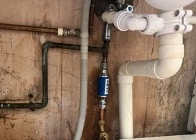
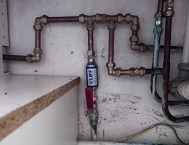
Magnetic/Electronic – Uses fields to alter mineral behaviour to inhibit scale. A cost effective and maintenance free choice.
Which water softener should I choose?
Choose your technology
Most UK homes need to decide between a “true” softener and a “conditioner.”
Ion exchange (salt-based): The only way to physically remove calcium and magnesium. It gives you the “silky” feel in the shower and 100% limescale removal. Requires salt top-ups and a drain connection.
Salt-free conditioners: These don’t remove minerals but change their structure so they don’t stick to pipes. Lower maintenance, but you won’t get the “soapy suds” or soft-water skin benefits.
Single tank vs. Twin tank
If you go with a salt-based system, you have two design choices:
Single tank (electric)
Hard water during cleaning cycles.
Requires a plug socket.
Uses tablet or granular salt (cheaper).
Often taller and thinner.
Twin tank (non-electric)
24/7 soft water; one tank works while the other cleans.
Powered by water flow; no electricity needed.
Uses block salt (easier to carry/load).
Generally, more compact; fits in kitchen cupboards.
Size it to your household
A softener that’s too small will struggle to keep up, while one that’s too large wastes salt.
Flow Rate: Ensure the unit matches your boiler. High-flow systems like Megaflo or large combi-boilers require softeners with 22mm or 28mm connections to avoid dropping water pressure.
Capacity: In the UK, the average person uses ~150 litres per day. 1-3 People: Compact units like the BWT WS355 are usually sufficient. 4-7 People: Look for higher-capacity models like the Tapworks NSC11PRO.
Summary checklist
Check your plumbing: Do you have 15mm, 22mm, or 28mm pipes?
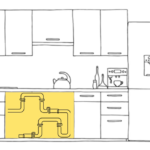
Measure your space: Most people install them under the kitchen sink. Measure the height and depth.
Salt preference: Are you okay carrying 25kg bags of tablets, or do you need lighter 4kg/8kg salt blocks?
Certification: Look for WRAS approval to ensure it meets UK water safety standards.
Also: How many people are in your home, and do you have a standard boiler or a high-pressure system like a Megaflo?
Which scale inhibitor should I choose?
Choosing a scale inhibitor depends primarily on your water hardness and whether you want to protect a single appliance (like a boiler) or your entire home. Unlike water softeners, inhibitors don’t remove minerals; they alter them so they don’t stick to surfaces.
Choose the technology type
Magnetic (MSR): Uses magnetic fields to temporarily alter mineral structure. For single appliances (e.g., just before a boiler). Lowest cost; protection is temporary and less reliable in very hard water.
Electrolytic (ESR): Uses a zinc anode to release ions that prevent scale sticking. Provides whole-house protection. More expensive but provides consistent, long-term (up to 10 years) protection.
Polyphosphate: Releases chemicals into the water to keep minerals in suspension. Designed for high-usage areas or industrial systems. Highly effective but requires regular cartridge refills every 6–12 months.
Electronic: Uses radio frequencies or pulses via wires wrapped around pipes. Gives whole-house. DIY-friendly installs. No plumbing required; effectiveness can vary significantly by model.
Important selection factors
Protection goal
To meet Building Regulations (Part L) for a new boiler, a simple magnetic unit right before the boiler often suffices.
For comprehensive protection (kettles, showers, dishwashers), install a whole-house electrolytic unit on the main cold water line.
Maintenance
“Fit and Forget” – Magnetic and electrolytic units require zero maintenance for 5–10 years.
Refillable – Polyphosphate dispensers require new “silifos” balls or cartridges periodically.
Installation specs
Ensure the device matches your pipe size (typically 15mm or 22mm in the UK) and is WRAS-approved to ensure it meets safety standards.
Other plumbing services....
Our local plumbers provide a range of expert plumbing services that’ll keep you and your family safe, save you money and your home running smoothly and as it should including:
Improving water pressure and flow (to see our work click here).