Heating & hot water
...........................................
Your trusted, local same-day plumbers
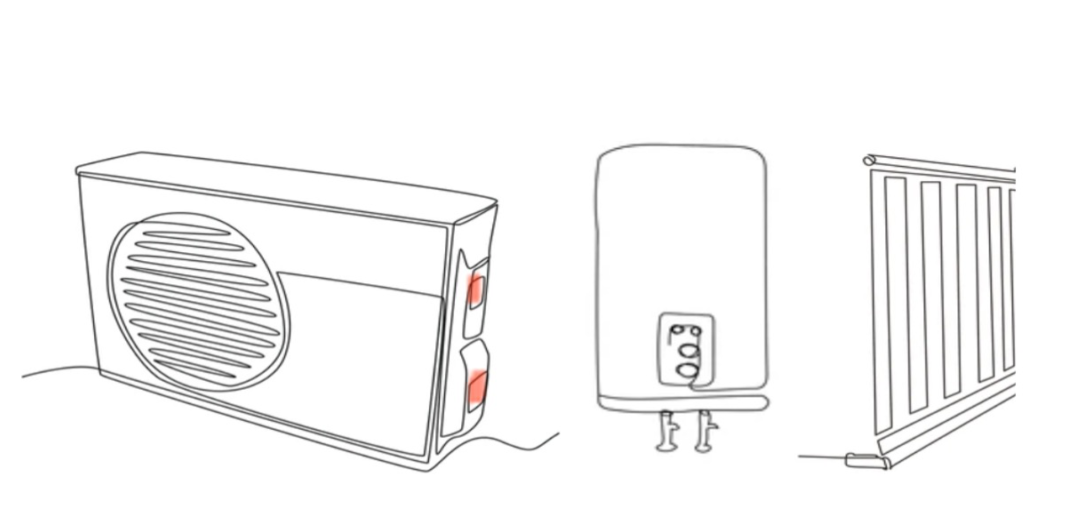
Some of our recent work....
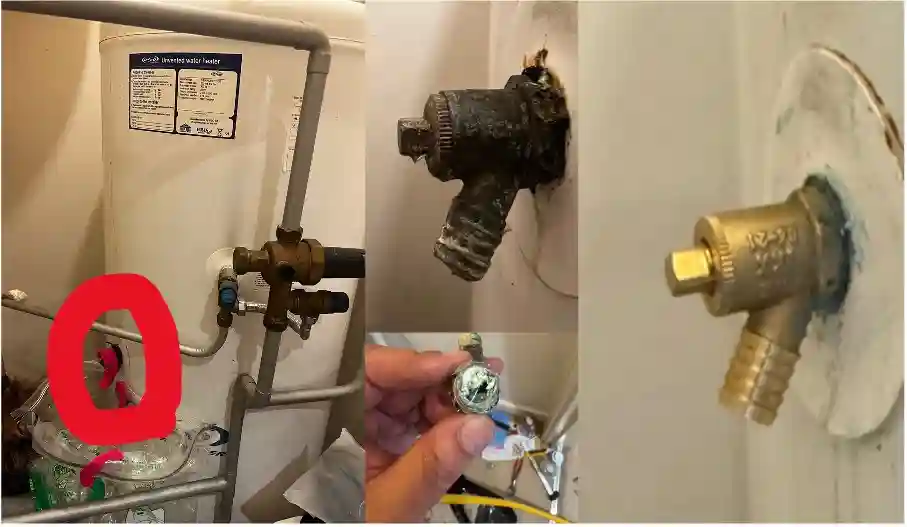
Leaking unvented cylinder + drain off valve replacement.
Reading customer – Homeowner Kevin.
Kevin bought his home in 2015, which came with an unvented cylinder. Over the last years, the drain-off valve had started to leak which had recently become problematic.
Kevin asked for the cylinder to be serviced and the valve to be addressed.
As the valve had corroded, it couldn’t be used to drain the cylinder. The solution was for our plumber to syphon it from the hot water outlet. When empty, the drain off valve was replaced and the cylinder serviced without further issue.
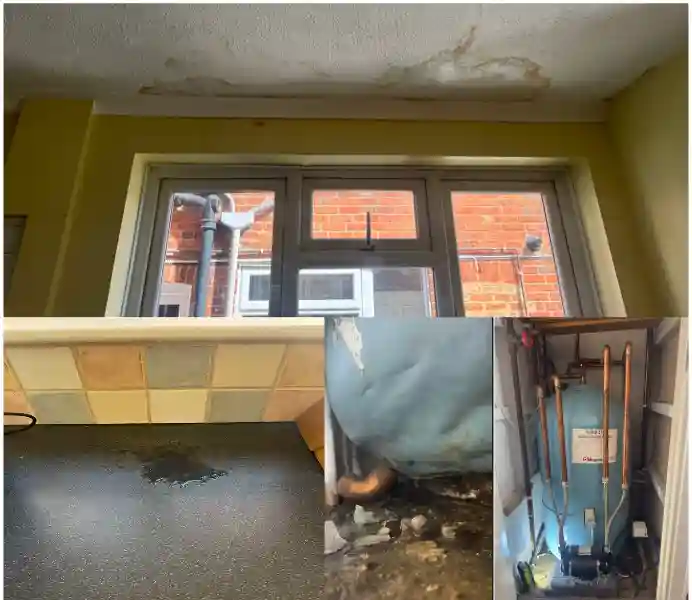
Copper cylinder replacement – perforated heating coil and corroded base.
Henley customer – Landlord Gary.
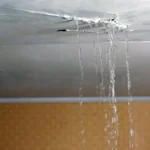
Gary’s tenants had reported water coming through the kitchen ceiling and pooling on the worktop.
On visiting it was clear that the copper cylinder (in the airing cupboard) above the kitchen had a corroded base and was leaking. It was also noticed that the warning pipe was flowing with the feed and expansion tank continually filling indicating a perforated cylinder coil.
With repair not a commercial option, the cylinder was replaced and the house’s hot water and heating restored.
The quickest way to get in touch to discuss your heating and hot water plumbing and issues is to WhatsApp, text or phone us on 07442966664.
You can also email plumbing@angusplumbing.co.uk or use the form – and well get back to you as soon as we can.
The AngusPLUMBING team
 5.0verified by TrustindexTrustindex verifies that the company has a review score above 4.5, based on reviews collected on Google over the past 12 months, qualifying it to receive the Top Rated Certificate.
Posted on Google
 David0 days ago
Trustindex verifies that the original source of the review is Google.
Paul was very friendly and professional. He did a great job of fixing our toilet, and we would definitely use Angus Plumbing again. Thank you!Posted on Google Chris Kelly0 days agoA really prompt, friendly and great service. Thank you Paul! I'd recommend AngusPlumbing to everyone in Caversham.Posted on Google
 Joanna Wesołowska3 days agoExcellent service from start to finish. The plumber was very friendly, polite and professional. He arrived on time, explained everything clearly and did a great job. Really happy with the service and would definitely recommend him to others!Posted on Google
 Nicholas Beveridge11 days agoPaul was very friendly and professional, quickly responding to my message and helping me get the cheapest parts to repair my leaky toilet. He is the exact kind of plumber you want and is very honest and reasonable with his fees. I’ll definitely be using him again if anything goes wrong! Thanks again!Posted on Google
 Poppy Raven11 days agoIt was a bank holiday but Paul came promptly and fixed the problem quickly. A very nice chap and interesting to chat with.Posted on Google
 huseyin tapanci27 days agoAngus Plumbing were excellent from start to finish. Professional, friendly and reliable, with great workmanship. Highly recommended!Posted on Google
 Janet Weekes37 days agoPaul provided a great service. Very knowledgeable, honest and friendly. He did a great job sorting out my water tank, was very reliable and to a good standard. I would defintely use him again for any plumbing works. Thank you so much Paul and for recommending other trades if needed.Verified by TrustindexTrustindex verified badge is the Universal Symbol of Trust. Only the greatest companies can get the verified badge who has a review score above 4.5, based on customer reviews over the past 12 months. Read more
Heating & hot water
Modern heating and hot water systems are designed for efficiency and can be broadly categorised by how they generate and store heat. Over half of a typical household’s energy bill is spent on these services.
Common heating systems
Combination (Combi) boilers
These heat water on demand directly from the mains, eliminating the need for a storage tank.
- Best for: Smaller homes with one or two bathrooms.
- Benefit: Space-saving and provides instant hot water.
Conventional/system boilers
These systems heat water and store it in a separate hot water cylinder, often located in an airing cupboard.
- Best for: Larger homes where multiple people need hot water simultaneously.
- Benefit: Can supply high-demand households with steady pressure from the stored hot water.
Heatpumps
These extract thermal energy from the outside air or ground to provide both heating and hot water.
- Best for: New-build developments and eco-conscious renovations as a low-carbon alternative.
- Benefit: Extremely efficient, sometimes reaching 400% efficiency.
System layouts & hot water storage
Most systems use a “wet” setup where a boiler or heat pump circulates heated water through a network of pipes to radiators or underfloor heating circuits.
The primary types of hot water storage systems are categorised by how they are pressurised (vented vs. unvented) and how the water is heated (direct vs. indirect).
Vented vs. unvented cylinders
The key difference here is the water supply mechanism and the resulting water pressure.
Vented cylinders
- How they work: These are traditional systems that rely on gravity. A cold water tank (usually in the loft) feeds water down to the cylinder via an open vent pipe.
- Pressure: The water pressure is lower and depends on the height difference between the cold water tank and the tap. Upstairs outlets may have weaker pressure than downstairs ones.
- Installation/maintenance: They are generally cheaper and simpler to install and maintain, and the open system provides a safe escape route for expanding water.
- Space: Requires space for both the cylinder and the separate cold water tank, often limiting location flexibility.
Unvented cylinders
How they work: These systems are sealed and connect directly to the cold mains water supply, delivering hot water at mains pressure.
- Pressure: They provide a high, consistent flow rate and powerful pressure throughout the house.
- Installation/maintenance: Installation is more complex and must be done by a qualified professional (G3 qualified). They require additional safety components like an expansion vessel and pressure relief valves, and need regular annual maintenance.
- Space: They save space as no separate cold water tank is needed, and the cylinder can be installed almost anywhere in the home.
Direct vs indirect heating
This categorisation relates to the method used to heat the water within the cylinder. Both vented and unvented cylinders can be either direct or indirect.
Direct cylinders
- How they work: They use an internal heating element, typically an immersion heater powered by electricity, to heat the water directly inside the tank.
- Use case: Often used as the sole heating source, especially with Economy 7 tariffs, or where a boiler connection isn’t feasible. The Heatrae Sadia Megaflo Eco 210DD is an example of a direct unvented cylinder.
Indirect cylinders
- How they work: They rely on an external heat source, like a central heating boiler, to heat water which then passes through a coil (heat exchanger) inside the cylinder, transferring heat to the stored water.
- Use case: These are the most common type for integrated central heating systems and often include a backup immersion heater in case of a boiler breakdown. The Gledhill ES Indirect Unvented Cylinder is an example of an indirect unvented cylinder.
Heating system maintenance
Maintaining heating and hot water systems requires a combination of routine owner checks and annual professional servicing to ensure safety, validate warranties, and maximise energy efficiency.
Essential owner maintenance
Homeowners can perform several tasks to prevent minor issues from becoming costly repairs:
- Bleed radiators: Perform this at least once a year, or whenever cold spots appear at the top of radiators, to release trapped air.
- Monitor boiler pressure: Check weekly; most systems should maintain between 1.0 and 1.5 bar when cold.
- Check ventilation: Ensure air vents and flues remain unobstructed by debris or furniture to prevent overheating and carbon monoxide risks.
- Insulate pipes: Lagging external condensate pipes can prevent freezing and system lockouts during cold snaps.
- Test alarms: Regularly test carbon monoxide detectors to ensure they are functional.
Annual professional servicing
A qualified engineer should service your system annually.
- Boilers: Engineers inspect internal components for corrosion, clean the heat exchanger, and test safety devices and combustion efficiency.
- Hot water cylinders: Unvented cylinders require annual checks of safety valves (T&PR) and expansion vessel pressure to ensure they remain safe under pressure.
- Heat pumps: Maintenance involves cleaning the external unit of debris, checking refrigerant levels, and testing defrost cycles.
Standards updated for 2026 emphasize testing inhibitor levels annually and performing a full laboratory water test or system re-dose every five years to prevent sludge buildup.
Warning signs for repair
- Unusual noises: Banging, gurgling, or whistling may indicate limescale buildup (“kettling”), trapped air or pump issues.
- Pressure drops: Frequent loss of pressure often indicates a leak in the pipework or a failing expansion vessel.
- Discoloured water: Rusty or brown water from taps suggests internal corrosion within the tank or pipes.
- No heat or hot water: This obvious sign could be due to low system pressure, a malfunctioning thermostat, or a faulty ignition system.
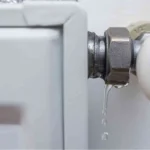
- Water leaks: Any visible water leaking from the boiler, pipes, or radiators needs immediate attention to prevent property damage and corrosion.
- Pilot light issues: On gas systems, a yellow or orange flame instead of a steady blue one is a serious safety concern indicating incomplete combustion and potential carbon monoxide risk.
- Frequent cycling: If your system constantly turns on and off (short cycling), it suggests an underlying problem with airflow, the thermostat, or internal components.
- Unpleasant smells/odours: A persistent burning smell might indicate electrical faults or dust burning off, while a “rotten egg” smell suggests a gas leak, which requires immediate evacuation and an emergency call.
Heating system repair
If you notice signs of your heating system not working as it should, call a professional for diagnosis and repair
Radiators
Radiators are for most homes the most important part of central heating systems, with various types (panel, column, vertical, etc.) and materials (steel, aluminium, cast iron) available to suit different room sizes, aesthetic preferences, and heat output requirements (measured in BTUs). Types of home radiator include:
Panel radiators
The most common type in modern UK homes, featuring flat panels and convector fins to emit heat efficiently.
- Single panel (Type 11): Slim and ideal for smaller rooms or hallways with lower heat requirements.
- Double panel (Type 22): Feature two panels and two sets of fins, offering higher heat outputs suitable for larger spaces like living rooms and bedrooms.
- Column radiators: Known for a traditional or classic appearance, similar to Victorian-era cast iron radiators but made from more efficient modern steel. They are available in various column configurations (two, three, or more) to achieve desired heat outputs.
- Vertical radiators: An excellent space-saving solution for rooms with limited horizontal wall space, available in a variety of styles from sleek designer flat panels to column designs.
- Towel radiators: Primarily used in bathrooms and kitchens, these ladder-style radiators dry towels and provide warmth to the room. They can be connected to the central heating system or run as electric-only or dual-fuel options.
- Designer radiators: Focus on aesthetics as well as function, with a wide array of finishes, shapes (oval, flat panel, mirrored), and materials to serve as a stylish focal point in any room.
Key considerations
- Heat output (BTU): The unit of heat a radiator can produce. You need to calculate the required BTU for your specific room based on its size, number of windows, insulation levels, and exposure to external walls to ensure efficient heating.
- Material: Steel is the most common and cost-effective material. Aluminium heats up faster and uses less water, making it more energy-efficient, especially with modern low-temperature systems like heat pumps. Cast Iron takes longer to heat up but retains heat for much longer after the system is off, which is a good choice for period properties or rooms with high ceilings.
Valves
Radiator valves are essential components that control the flow of hot water into your radiators, allowing you to regulate the temperature of individual rooms to enhance comfort and energy efficiency. They come in three main functional types: manual, thermostatic (TRV), and smart thermostatic.
Valve type primary function – best for [key benefit(s)]
- Manual Simple on/off and flow control (like a tap). Rooms with stable temperatures, hallways, or bathrooms (where humidity can affect TRVs). Low cost, simple to use, reliable.
- Thermostatic (TRV) Automatic temperature regulation using a built-in sensor. Living rooms, bedrooms, and other main living areas (must not be in the same room as the main wall thermostat). Energy savings, room-by-room temperature control, convenience.
- Smart Thermostatic Precise temperature control and remote management via app/voice command. Smart homes, maximum control, long-term energy efficiency goals. Zonal control perfection, remote operation, can learn habits.
Choosing the right radiator valves
- Fitting (orientation): You must choose the correct physical shape to match your pipework.
- Angled valves, used when pipes come from the floor or wall and turn 90 degrees to enter the side or bottom of the radiator.
- Straight valves are for when pipes run straight into the bottom connection of the radiator, typically from the floor.
- Corner valves are used when pipes come from the wall, allowing the valve head to run parallel to the wall for a neater look.
- Lockshield valve. Every radiator has two valves; the second is a lockshield valve on the return pipe, which is set by a heating engineer to balance the system and ensure even heat distribution across all radiators.
- Aesthetics. Valves come in various finishes like chrome, white, black, brass, and traditional or modern designs to match your home decor.
- Building regulations. In England, current building regulations require TRVs to be fitted in most new builds or when a boiler is replaced, with the exception of the room where the main thermostat is located.
Radiator repair
Radiator issues often stem from simple causes like a loose valve or minor corrosion and can sometimes be fixed by a competent DIYer. However, if the radiator body is cracked or severely corroded, it will require professional replacement.
- DIY radiator repairs. Before attempting a repair ensure your heating system is turned off and the radiator is cool.
- Leaking valve or pipe joint. Often caused by loose connections. Gently tighten the gland nut or union nut using an adjustable spanner. Do not overtighten. If the leak persists, you can try wrapping PTFE tape (plumber’s tape) around the valve spindle or pipe threads to create a watertight seal before re-tightening.
- Leaking bleed valve. A minor leak from the air vent can often be stopped by tightening the bleed screw with a radiator key. If this doesn’t work, the internal washer may be damaged, and the bleed plug might need replacing.
- Pinhole leaks in the radiator body. Small leaks caused by internal corrosion can sometimes be temporarily sealed by adding a central heating leak sealer solution to your heating system via an expansion tank or access point. This is a short-term fix; a corroded radiator will eventually need to be replaced.
Professional repair and installation
For complex issues, significant corrosion, or a full replacement, a qualified plumber or heating engineer is recommended. Professional repair costs for a leak typically range from £100 to £180. A full radiator replacement costs on average £150 to £350, including the new unit and labour.
Thermostat installation and repair
Heating thermostats are essential for managing your home’s temperature and come in manual, programmable, and smart varieties to suit different needs and lifestyles. Upgrading to a modern thermostat can lead to significant energy savings.
Types of heating thermostats
- Manual (analog) thermostats: These are the simplest, most traditional, and least expensive type. They feature a basic dial to set the desired temperature and are ideal for users who prefer simplicity and a straightforward on/off device without complex programming options.
- Programmable thermostats: These allow you to set specific heating schedules for different times of the day and days of the week (e.g., 5/2 day or 7-day programming). They help save energy by only heating your home when needed and are available in both wired and wireless formats.
- Smart thermostats: These connect to your home’s Wi-Fi network, allowing you to control your heating remotely via a smartphone app or voice assistants like Alexa or Google Assistant. Many models, such as the Google Nest Learning Thermostat, can learn your habits and automatically create an energy-efficient schedule, using features like geofencing and open-window detection.
Simple things you can check yourself
If you are experiencing issues with your heating thermostat, common problems can often be resolved with simple troubleshooting steps, such as replacing the batteries or cleaning the sensor. However, for complex issues or professional installation, several local Reading-based companies offer repair services.
Common thermostat troubleshooting
Before calling a professional, you can try these simple fixes:
- Check or replace batteries: Dead or low batteries are a common cause of unresponsiveness in wireless thermostats.
- Clean the sensor: Dirt and or dust can affect the temperature sensor’s accuracy. Carefully clean the sensor area with a soft brush or compressed air.
- Check the location: Ensure your thermostat is not in an area that is naturally warmer or cooler than the rest of the house, which can lead to inaccurate readings.
- Restart the system: Power cycling both your boiler and thermostat (turning them off for a few minutes and then back on) can often reset internal components and clear minor glitches.
- Inspect wiring: For wired thermostats, check for any loose or damaged connections. If you are unsure, contact a qualified electrician or heating engineer.
When to call a professional
If these steps don’t resolve the issue, a professional heating engineer will be able to diagnose and fix the problem, which may involve replacing the unit itself. A typical thermostat replacement can cost between £80 – £150+, depending on the type of thermostat (manual, programmable or smart).
Pump installation and repair
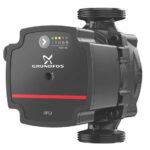
Water pump maintenance is vital for high-performance heating, hot water, and drainage systems. Most domestic heating circulating pumps last 10 to 15 years with proper care, but failures can occur due to sludge buildup, electrical faults, or worn bearings.
Common warning signs
Get in touch with a plumber if you notice any of these symptoms:
- Noisy operation: Humming, grinding, or rattling indicates worn bearings or loose components.
- Leaking: Visible water around the pump housing or joints suggests failed seals or corrosion.
- Overheating: If the pump is too hot to touch or trips the electrical breaker, the motor may be overworked or failing.
- Low water pressure: Often caused by air pockets (cavitation), clogged pipes, or a damaged impeller.
Self-help tip
If your heating isn’t working, check the pump’s manual speed settings. Some modern pumps allow you to adjust the flow rate, which may resolve minor pressure issues without a full replacement.
Typical costs (2026)
- New circulating pump: On average, the pump itself costs between £90 and £250.
- Installation/replacement: Professional labour for a pump replacement typically adds £100 to £150 to the bill. Total installation costs often average around £275.
Three port valve installation and repair
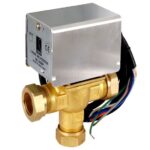
The 3-port valve is a crucial component in traditional, stored-hot-water central heating systems (known as Y-plan systems). Its primary function is to direct hot water flow from the boiler to either the hot water cylinder, the radiators (central heating), or both simultaneously.
Due to the complexity and the need to drain the central heating system, repair or replacement should always be performed by a qualified heating engineer.
How 3-port valves work
The valve has three outlets – one goes to the hot water cylinder, one to the radiators, and the third is the return to the boiler. When the thermostat or programmer calls for heat in a specific zone, the valve’s internal motor (actuator) moves a ball or a flap to open the correct path for the hot water. Common types and brands include:
- Mid-position valve: This is the most common type used in Y-plan systems and can direct water to all three ports at once.
- Diverter valve: Often a 2-port valve in a combi boiler, or a component in other systems that switches flow between two options only.
- Popular brands: Honeywell Home (e.g., V4073A model), Drayton, Sunvic, and Salus are leading manufacturers.
Warning signs of a faulty 3-port valve
A broken valve can disrupt your home’s heating and hot water supply. Key indicators include:
- No hot water or no central heating: The valve is failing to open the circuit for one or both systems.
- Constant heating in one zone: If your radiators remain hot even when the programmer is set to “hot water only,” the valve is likely stuck in the central heating position and not shutting off the flow of water to that circuit.
- Partial or uneven heating: If only some radiators are heating up, or you have hot water but no central heating (or vice versa), the valve may be stuck mid-way or only partially working.
- Unusual noises: Banging, clicking, or grinding sounds can be a sign of a failing motor within the valve’s actuator or a seized valve mechanism.
- Water leaks: Visible water leaks around the valve body or its connections indicate a seal failure, requiring immediate attention.
- Stiff manual lever: The manual lever on the valve head should move relatively freely when the power is off. If it is stiff or won’t spring back, the valve body itself might be seized.
Repair vs. replacement?
Often, only the actuator head (the electrical part with the motor and wiring) needs to be replaced, which can be done without draining the entire system. If the valve body is leaking or seized, the entire unit must be replaced, which requires draining the system.
Replacing the head parts costs (£30-£85). If the valve body is leaking, the entire unit must be replaced. The average professional cost for a full supply and fit of a new 3-port valve is around £265-£280.
Replacement actuator head
Actuator heads can be normally be bought for the region of £30 to £84, depending on the brand (e.g., Honeywell Home V4073A compatible powerhead or Drayton 3 Port Mid Position Motorised Valve Actuator).
Full 3-port valve unit replacement
Costs generally range from £60 to over £140 for brands like the Drayton motorised mid-position valve – 3 Port 22mm or the Honeywell Home V4073A1039/U 3 port motorised valve 22mm.
Professional labour
The typical total cost for a professional to supply and fit a 3-port valve is around £250 to £300.
Unvented cylinder installation and repair
Installing an unvented hot water cylinder provides high-pressure, mains-fed hot water without needing a cold water tank in the loft, which frees up valuable space and can provide more reliable flow rates, especially for multiple bathrooms. Due to the high pressure and necessary safety systems, installation must only be carried out by a professional engineer with a valid G3 qualification.
Installation and cost
It is a legal requirement for a G3-qualified engineer to install the system and issue a Building Regulations Compliance Certificate; working on it yourself is illegal and will likely void your warranty and insurance.
- Average costs: The total cost for the supply and installation of an unvented cylinder in the UK is generally between £900 and £3,500, depending on the cylinder’s capacity, brand (e.g., Megaflo, Gledhill), and the complexity of the job. A like-for-like replacement might cost less, but converting from a vented system will be more expensive as it requires new pipework and system upgrades.
- System check: An unvented cylinder requires an annual service check by a G3-qualified professional to ensure safety devices (pressure and temperature relief valves) are functioning correctly and comply with regulations.
Primary warning signs
In addition to general warning signs above recognising specific warning signs for unvented cylinders is critical for maintaining home safety and system efficiency. As these are pressurised systems, ignoring signs of failure can lead to catastrophic damage.
Water in the tundish
The most immediate warning sign is water dripping or flowing through the tundish (the small black plastic funnel on the discharge pipe). Under normal conditions, this should always be dry.
- Intermittent drips: Usually indicates the internal air bubble or external expansion vessel has lost its charge and cannot absorb water expansion during heating.
- Continuous flow: Suggests a failure of the Temperature & Pressure Relief Valve (TPRV) or the Pressure Reducing Valve (PRV), which may be letting in excessive mains pressure.
Immediate action required
If you notice any of these symptoms, or smell burning/electrical odors, contact a G3-qualified engineer immediately. Most home insurance policies require an annual service by a registered professional to maintain coverage for water damage caused by unvented systems.
Heatpump installation and repair
Heat pumps are an energy-efficient solution for heating and hot water, but their installation and repair require certified professionals. In the UK, installers must be MCS certified for you to be eligible for government grants such as the Boiler Upgrade Scheme (£7,500 grant available), and all work should be carried out by competent, certified engineers.
Heat pump installation
The average cost for an air source heat pump installation is typically between £8,000 and £15,000 before the government grant. Ground source heat pumps are more expensive due to the required groundwork.
Factors affecting installation costs
- Home size: Larger homes need more powerful (and expensive) units.
- Existing system upgrades: You may need larger radiators, new pipework, or a hot water cylinder, which adds to the cost.
- Complexity: Converting from an old system or upgrading electricals can increase labour costs.
Heat pump repair and servicing
Heat pumps have a long lifespan (15+ years) if maintained properly, which includes an annual service to keep the warranty valid and ensure efficiency. Annual servicing typically costs between £150 and £350.
Common issues requiring repair include fan motor problems, sensor faults, PCB board replacements, and diagnosing overall system performance issues.
Other plumbing services....
Our local plumbers provide a range of expert plumbing services that’ll keep you and your family safe, save you money and your home running smoothly and as it should including:
- Improving water pressure and flow (to see our work click here).
- Leak detection (to see our work click here).
- Water and waste pipe repair & maintenance (to see our work click here).
- Unblocking waste systems (to see our work click here).
- Dripping/running overflow pipe investigation (to see our work click here).
- Turning off/isolating your homes water supply (to see our work click here).
- Softening/conditioning your home’s water (to see our work click here).
- Repairing and maintaining your home’s water tanks (to see our work click here).
- Installing, repairing and de-commissioning your home’s kitchen, bathroom and WC electrics (to see our work click here).
Kitchen plumbing
& appliances
With our kitchen plumbing services, we provide expert installation and repairs.
Bathroom
plumbing
Our bathroom plumbing services ensure everything runs smoothly.
Toilets &
sanitary
We also specialise in toilet plumbing services to resolve any issues.
Taps &
valves
We provide tap and valve plumbing services for optimal water flow.
Heating & hot / cold water
Heating plumbing services are crucial for maintaining comfortable living spaces.
Outdoor & garden plumbing
Outdoor & garden plumbing services ensure your garden thrives and home’s sound.
Our Mastering - no frills series....
…. gives confident, capable homeowners and DIYers the knowledge and skills needed to troubleshoot and repair common plumbing problems.
An essential read if you're a home owner, renter or landlord!
& our Plumbing blog....
…. provides free expert plumbing heating and renewables tips and advice.