Kitchen plumbing components
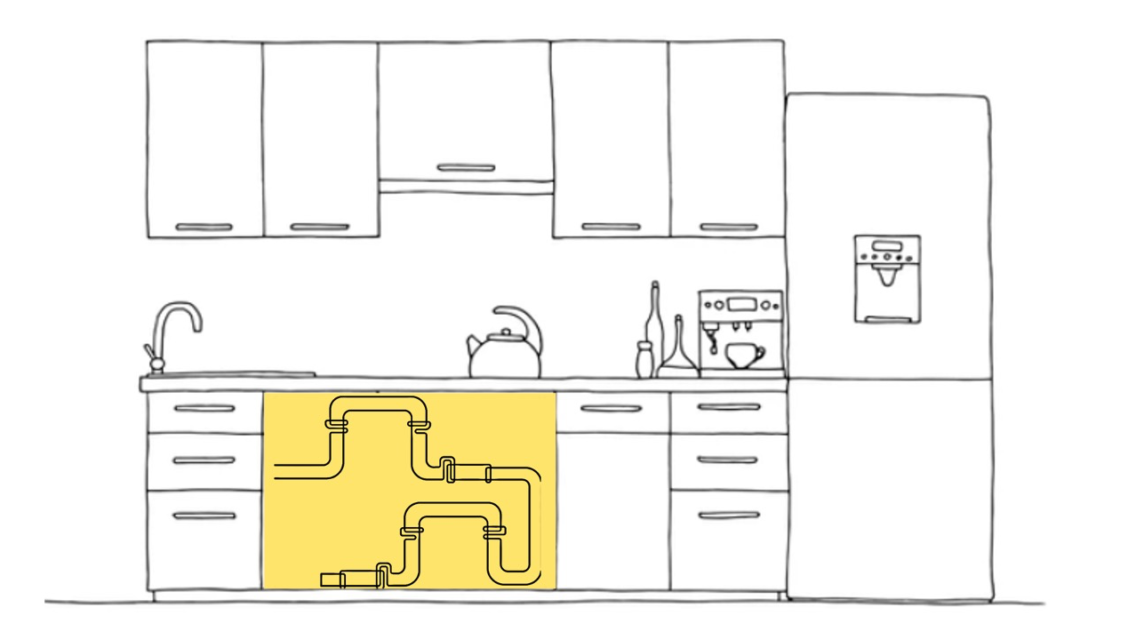
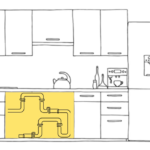
The main components work together to provide clean water and safely dispose of wastewater.
- Water supply pipes: These bring fresh hot and cold water into the kitchen, typically 15mm for standard taps, and are often made of copper or PEX (Cross-Linked Polyethylene).
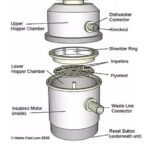
- Fixtures and appliances: This includes the sink, faucet, dishwasher, and potentially a garbage disposal or ice maker, which all connect to the water supply and drain system.
- Drain and waste pipes: These pipes carry used water and waste away from the sink and appliances. They are usually made from PVC or uPVC and require a slight downward slope (around 2.5cm per meter) for proper drainage.
- P-trap: This U-shaped pipe is located directly under the sink. It holds a small amount of water to create a seal that blocks foul-smelling sewer gases from rising into the house.
- Vents and traps: The larger venting system allows air into the drain pipes, which equalizes pressure and prevents the water seal in the P-trap from being siphoned out.
Common problems
Many common kitchen plumbing problems can be addressed with simple DIY methods, though some issues require a professional.
Kitchen sink clogs
Most kitchen drain clogs are caused by a buildup of grease, food scraps, and soap scum which can often be cleared with simple household methods like a plunger or a baking soda and vinegar solution.
Common causes of kitchen sink clogs
- Oil, grease, and fat: This is the most common culprit. When poured down the drain while hot, it cools and solidifies in the pipes, trapping other debris.
- Food debris: Items like coffee grounds, rice, pasta, potato peels, and eggshells can accumulate and form stubborn blockages, especially when combined with grease.
- Soap scum: The reaction between soap and minerals in tap water creates a sticky residue that coats pipes and gives food particles something to cling to.
DIY unclogging methods
Always try gentle, non-chemical methods first to protect your plumbing. These include using hot water, baking soda and white vinegar, plungers as well as drain snake/auger.
Professional solutions
Approved plumber – if the clog persists or recurs frequently, it indicates a deeper issue. Professional plumbers have specialised equipment including high-pressure water jets and cameras to clear stubborn blockages without damaging your pipes.
Prevention tips
Preventing clogs is easier than fixing them.
- Never pour grease, oil, or fat down the sink. Let them cool and solidify, then dispose of them in the rubbish bin.
- Use a plughole strainer to catch food debris, coffee grounds, and other scraps.
- Run hot water for a minute after washing greasy pans to help flush away any residual grease.
- Perform regular maintenance by flushing the drain weekly with hot water or a monthly baking soda/vinegar treatment.
Leaky taps and pipes
Leaky taps and pipes in the kitchen range from minor annoyances to major risks for water damage. In the Thames Valley area, where hard water is common, limescale build-up is a leading cause of valve and seal failure.
Troubleshooting leaky taps
The location of the leak usually indicates which internal part needs attention:
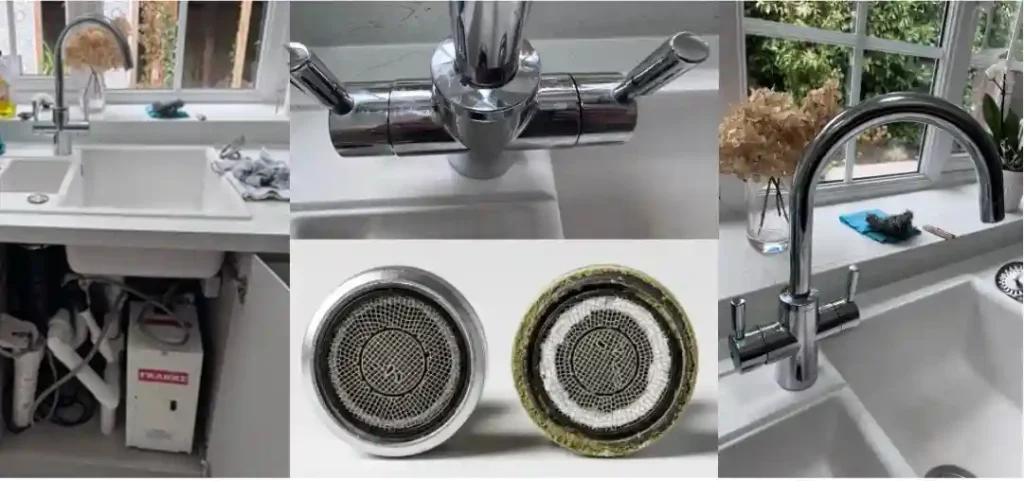
Typically caused by a worn washer (in traditional pillar taps) or a scaled/damaged ceramic cartridge (in modern mixer taps).
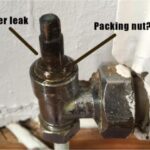
- Leak around the handle: Usually points to a perished spindle O-ring or debris inside the valve.
- Leak at the spout base: Often due to worn spout O-rings or a loose connection between the spout and the tap body.
Leaky pipes – common causes
Pipes under the sink often leak due to structural or environmental factors:
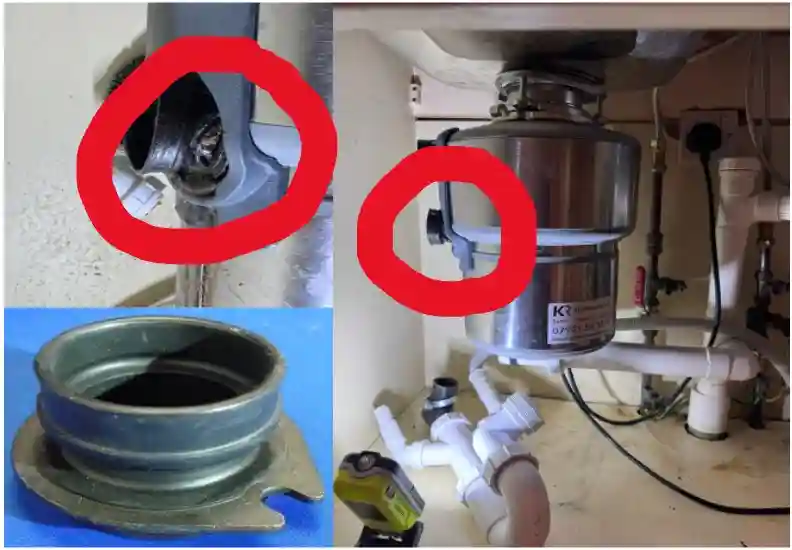
- Loose connections: Vibration or accidental movement under the sink can loosen compression nuts or plastic slip nuts on the drain.
- Corrosion: Hard water and chemical exposure can weaken metal pipes over time, leading to pinhole leaks.
- Temperature changes: Expansion and contraction due to seasonal fluctuations or hot/cold water use can stress joints.
- High water pressure: Pressure exceeding 80 psi (standard is often 40-50 psi) can strain fixtures and cause sudden failures.
DIY solutions
Before you call a plumber, gentle tightening of connections or a quick cartridge clean may solve the problem. If you do take cartridges out, make sure that you isolate the water.
Low water pressure
Low water pressure in a Thames Valley kitchen is frequently caused by localised blockages such as limescale buildup, common due to the area’s hard water, or system-wide issues like partially closed valves.
Initial diagnostics
- Check other taps: If only the kitchen tap has low pressure, the issue is local. If the whole house is affected, check with neighbours to see if there is a Thames Water municipal supply issue.
- Test flow rate: Place a 1-liter jug under the tap and time how long it takes to fill on high. If it takes longer than 6 seconds, your flow rate is below the acceptable 9 liters per minute as set out in Thames Water’s supply conditions.
Common fixes for kitchen taps
Thera are some simple steps that homeowners can do before to improve kitchen water pressure before calling a plumber. These include cleaning spout aerators, ensuring all isolation valves are open and working, making sure that flexi-hoses if used aren’t kinked or bent and for the more advanced flushing tap cartridges.
If DIY fixes don’t work?
If common fixes don’t help to improve your home’s water pressure the next step is to get in touch with an approved plumber. They will be able to identify the cause including faulty or mis-set pressure reducing valves, pipe internal corrosion and pipe leaks etc.
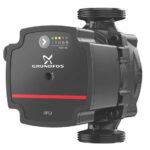
For consistently low pressure that cannot be resolved by repairs, you a water pressure booster pump can be installed under the sink or for the whole house to enhance performance.
Foul odours
Foul kitchen odours / bad smells typically stem from decomposing organic matter in the drainage system or issues with the water trap (U-bend). Identifying the specific type of smell can help pinpoint the cause.
Identifying the cause by scent
Before you start taking apart your kitchen’s plumbing hunting for the cause of a bad smell, it’s worth investing some time in identifying its nature. This will make dealing with the situation a quicker and easier process.
- Rotten food: Usually caused by a buildup of fats, oils, grease (FOG), and food scraps decaying inside the pipework.
- Rotten eggs/sewage: Often indicates that the water seal in the P-trap (U-bend) has failed, allowing sewer gases to escape into the home. It can also be caused by hydrogen sulphide gas from bacteria in the supply or drains.
- Musty or damp: Typically suggests mould or mildew growth, often due to a hidden slow leak under the sink or stagnant water in the pipes.
- Metallic or stagnant: May indicate contamination in the water supply itself, often linked to uncleaned storage tanks or old pipework.
Common culprits
If you’ve checked p-traps, dishwasher and washing machine filters and cleaned the waste or garbage disposal and not found the bas smells source. The next step is to get in touch with an approved plumber who will be able to
They will check plumbing vents, check for leaks and damp, as well as main sewer line cracks or blockages.
Major leaks or pipe damage
A major kitchen leak is a high-priority emergency that requires immediate action to prevent structural damage and electrical hazards. If water is gushing or flooding your cabinets, follow these steps immediately. Then get in touch with an approved plumber and let them know that the situation is urgent.
Immediate emergency steps:
- Shut off the water: Turn the main stopcock clockwise to cut off the water supply to the entire house. It is typically found under the kitchen sink, in a hallway cupboard, or under the stairs.
- Turn off electricity: If water is leaking near sockets, the oven, or the dishwasher, turn off the kitchen circuit at the consumer unit (fuse box). Do not touch wet electrical appliances.
- Clear the area: Remove items from under the sink and mop up standing water to prevent it from seeping into floorboards or affecting the ceiling of the room below.
Common sources of major leaks
In the Caversham, Henley and Reading areas the most common sources of major kitchen leaks are:
- Copper pipe pin hole leaks: In older properties, copper pipes can pinhole or split due to age or sudden pressure surges.
- Valve failures: Isolation (service) valves – the small valves located on the hot and cold pipes directly under the sink, check (non-return) valves and home stopcock can fail due to corrosion or just general wear and tear.
- Burst flexi-hoses: The braided metal hoses under the sink can fail suddenly due to corrosion or high pressure.
- Failed dishwasher connections: A split intake hose or a failed internal seal can release large volumes of water during a cycle.
- Waste pipe separation: A primary drain pipe can become disconnected, causing all used sink water to dump directly into the cabinet.
New installations and major modifications
Major kitchen plumbing work falls under UK Building Regulations and the Water Supply (Water Fittings) Regulations 1999, requiring compliance with specific standards for safety, efficiency, and drainage. Key regulatory requirements include:
- Building regulations approval: While simply replacing old fittings with new “like-for-like” items doesn’t typically need approval, any significant layout changes do.
- New drainage: Alterations or new connections to the soil and vent pipe (the main vertical drain) or underground drains require approval.
- Ventilation: Providing adequate ventilation to control moisture and prevent mould is required for new kitchens or those created in new rooms.
- Electrical work: All new electrical installations must comply with Part P of the Building Regulations and be certified by a competent electrician.
- Gas work: Any work on gas pipes or appliances must be carried out by a Gas Safe registered engineer and is subject to stringent regulations.
- Water Supply (Water Fittings) Regulations 1999: These are national requirements to prevent the waste, misuse, undue consumption, and contamination of the public water supply.Work should be carried out by a WaterSafe approved plumber, who can self-certify their work, or it will require an inspection by the local water authority (Thames Water in Reading). This includes fitting non-return valves to prevent back-siphonage and ensuring appropriate pipe materials are used.
When to hire a professional
Due to the complexities and legal requirements, it is highly recommended to use certified professionals for major installations or modifications. Professionals ensure compliance, provide warranties, and can manage unexpected issues effectively.
Hiring separate, qualified tradespeople (plumber/gas engineer, electrician, builder) ensures that each aspect of the work meets specific UK safety standards.